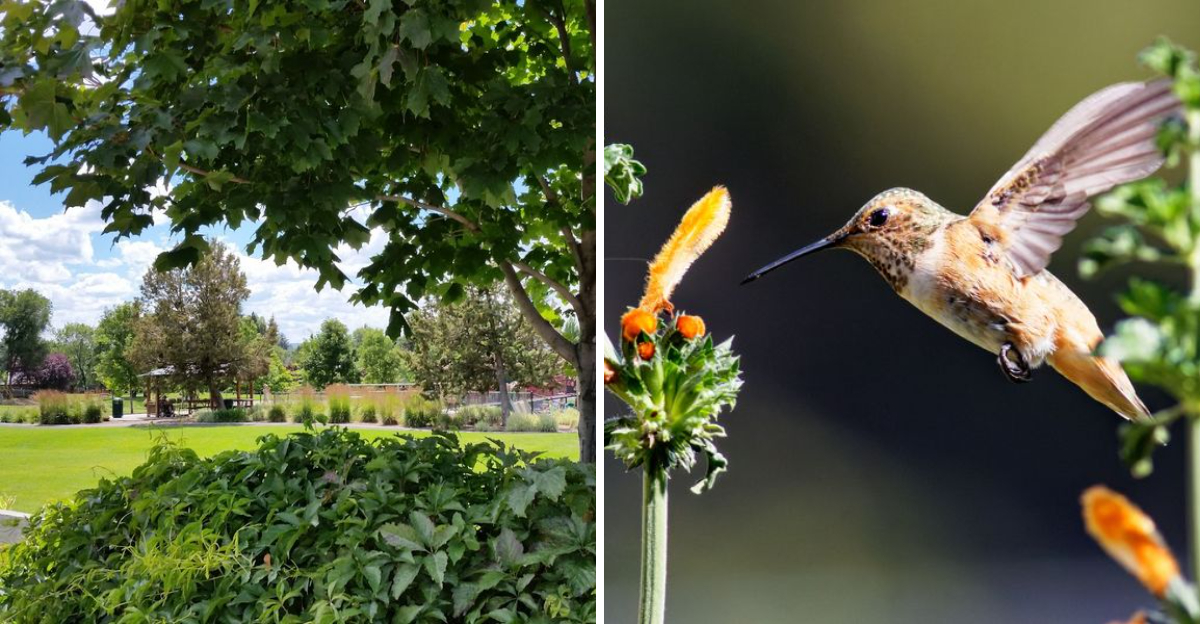
Standing still while dozens of hummingbirds zoom past your head is a strange and wonderful feeling. Their wings hum like tiny helicopters and their iridescent feathers flash green and red in the sunlight.
This enchanted Oregon sanctuary attracts hundreds of them each summer, drawn by carefully maintained feeders and native flowers planted just for them. You can sit on a bench and watch them hover, fight, and feed, moving so fast that your eyes can barely track them.
The garden feels quiet and tucked away, a small piece of paradise that locals visit again and again. Peak season runs from late spring through early fall when the migrants pass through and the resident birds raise their young.
The owners know each species by name and can tell you which ones are bold and which ones prefer to stay back. Children love the experience because the birds come close enough to see every detail.
Oregon has plenty of wildlife viewing opportunities, but this one feels personal, like the birds have accepted you as part of their world. Pack a camera with a fast shutter speed because these little creatures do not sit still for long.
A little patience and a quiet voice will reward you with a show you will never forget.
What Makes the Hummingbird Garden So Special

Walking into this garden feels nothing like walking into a regular park. The air moves differently here, quick and electric, charged by hundreds of tiny wings beating at impossible speed. You hear them before you see them.
The Orchard Park Hummingbird Garden sits within the larger Orchard Park at 2001 NE 6th St in Bend, Oregon.
Local volunteers and community members have worked hard to create a space where native plants and carefully placed feeders attract massive numbers of Rufous and Calliope hummingbirds each season. The result is genuinely breathtaking.
What sets this garden apart is how close the birds actually get. They are not shy.
They zip past your ears, hover near your shirt if you are wearing red, and occasionally perch just a few feet away. It is the kind of wildlife encounter that feels almost unreal.
Most visitors stand quietly with wide eyes, barely whispering, not wanting to break the spell of the moment.
Getting to Orchard Park Without Any Stress

Finding Orchard Park is straightforward and stress-free. The park sits at 2001 NE 6th St in Bend, Oregon, tucked into a quiet residential neighborhood on the northeast side of town. It is easy to miss if you are not looking for it.
Parking along the street is usually available, and the walk from the curb to the garden area is short and flat. The park opens at 5 AM daily, which means early bird visitors can catch the hummingbirds at their most active before the day heats up.
The paths throughout the park are paved and accessible, making it a comfortable visit for people of all mobility levels.
Public transit options exist in Bend if driving is not your preference. The location is also bike-friendly, and several visitors I noticed had locked their bikes to nearby posts.
Once you arrive, the hummingbird garden area is clearly part of the park’s natural landscape, drawing you toward it almost instinctively by sound alone.
What the Garden Looks Like Up Close
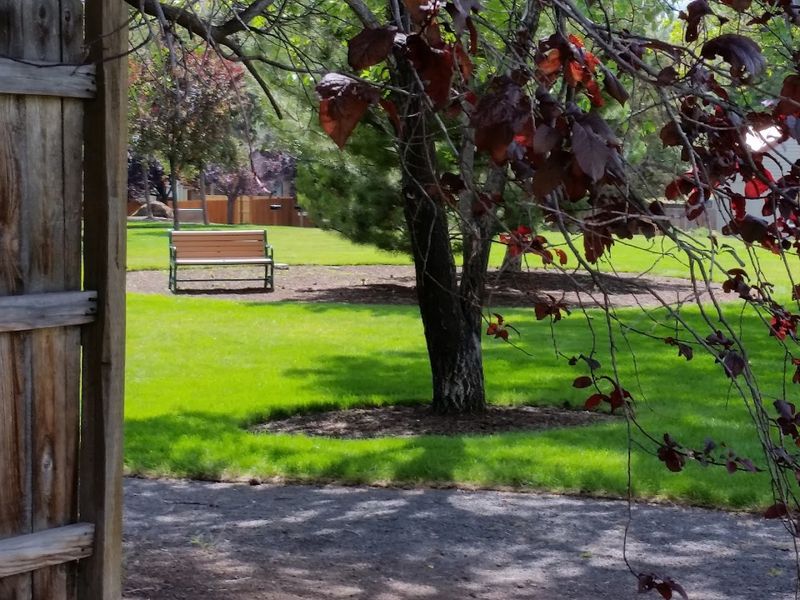
The garden itself is a thoughtfully planted mix of native and pollinator-friendly plants. Red penstemon, salvia, and bee balm create a riot of color throughout the growing season.
The plants are not just decorative. They are functional, chosen specifically because hummingbirds cannot resist them.
Feeders hang at various heights around the garden, supplementing the natural nectar sources. On a busy afternoon, every feeder port seems occupied, and the birds cycle through in waves.
Watching them feed is almost meditative once you settle into the rhythm of it.
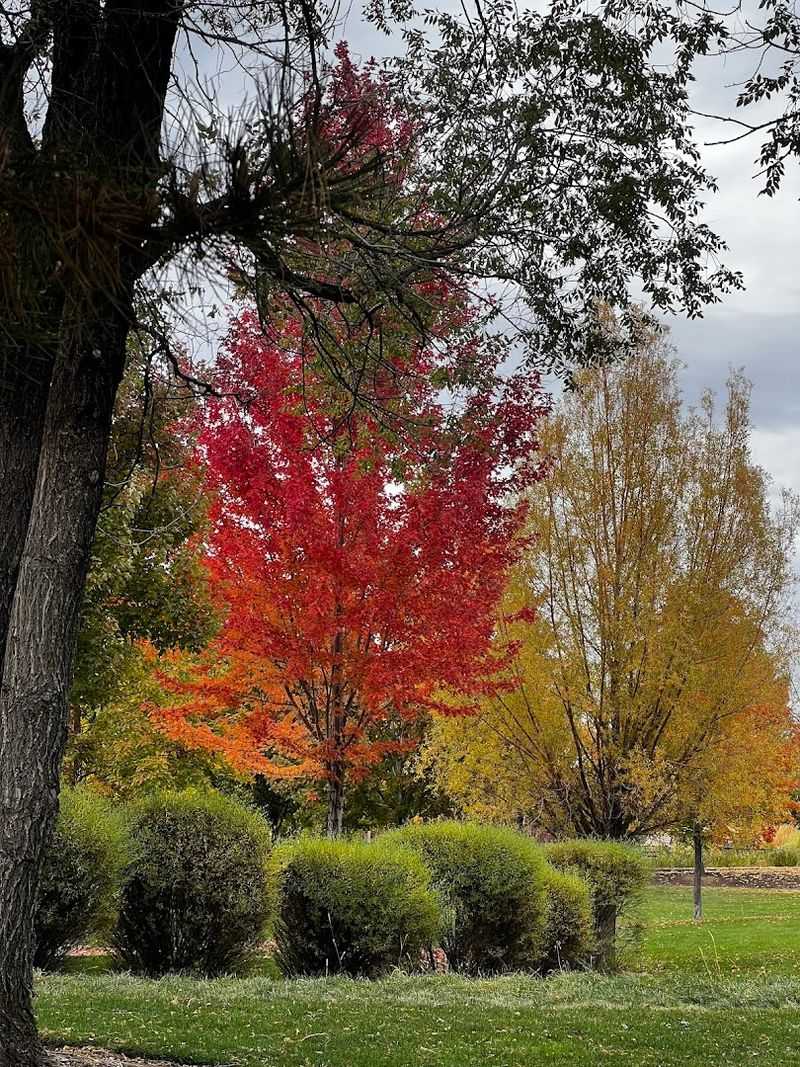
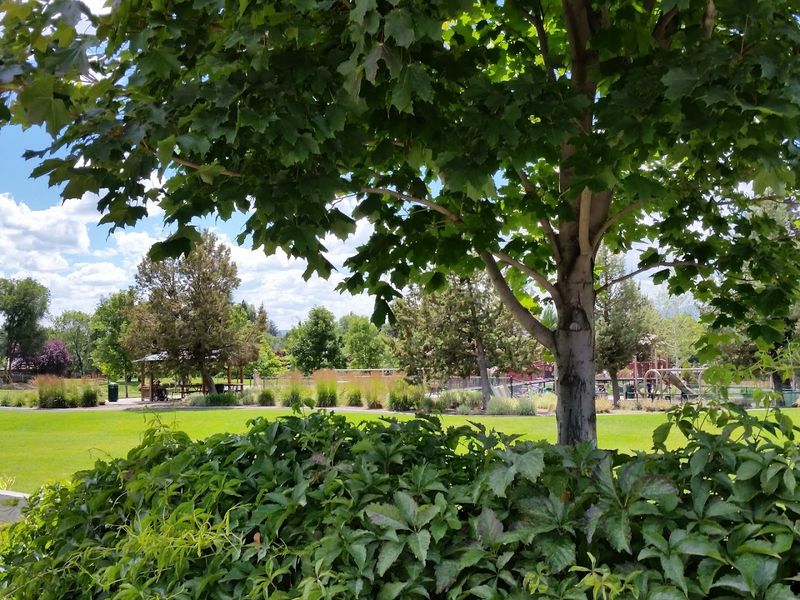
The surrounding park adds to the atmosphere. Mature trees provide patches of shade, and the open grass areas nearby give the whole space a relaxed, neighborhood feel.
Benches are positioned close enough to the garden that you can sit and observe without disturbing anything. It is the kind of place where you sit down for five minutes and realize forty-five have passed.
Tips for Getting the Best Photos
Photographing hummingbirds is one of those challenges that feels impossible at first. They move incredibly fast, and standard camera settings will just give you a blur.
A fast shutter speed is your best friend here, aim for at least 1/2000th of a second if your camera allows it.
Natural light works better than flash for capturing the iridescent colors on their throats. Early morning and late afternoon light are the most flattering.
Positioning yourself with the sun behind you helps the colors really pop in the frame.
Patience is genuinely the most important tool. Stand near a feeder quietly for a few minutes and the birds will begin to ignore you.
Once they relax, they fly closer and linger longer, giving you better opportunities. Burst mode on your phone or camera dramatically increases your chances of capturing a sharp image mid-flight.
Even a basic smartphone can produce stunning results when the bird is close and the light cooperates.
The Hummingbird Species You Will Actually See
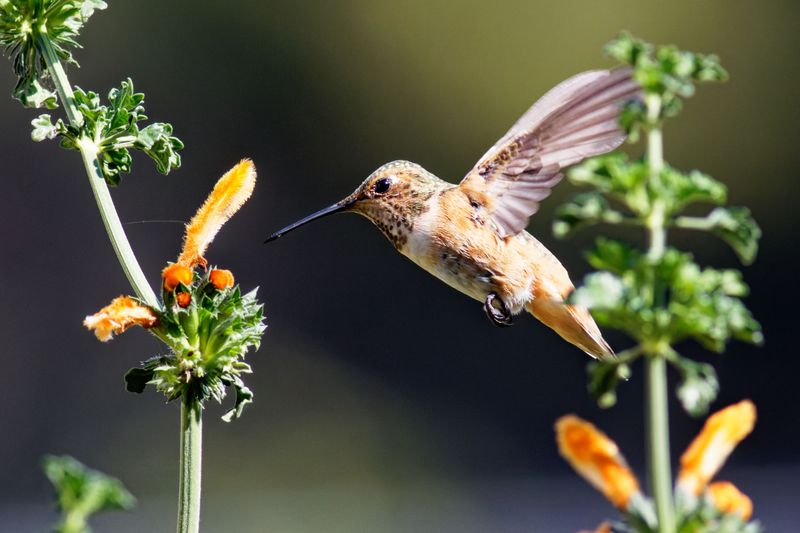
Not all hummingbirds are the same, and this garden gives you a real chance to notice the differences. The Rufous hummingbird is the star of the show here, and for good reason.
The males flash a brilliant orange-copper color that almost glows in direct sunlight.
Calliope hummingbirds also pass through during migration season. They are the smallest breeding bird in North America, and spotting one feels like a tiny victory.
Their magenta throat feathers are stunning up close, almost like someone painted them by hand.
Black-chinned hummingbirds have also been spotted in the area. Watching multiple species interact at the feeders is genuinely entertaining.
There is a clear pecking order, and the Rufous males are not shy about defending their favorite spots. They hover, chase, and dive-bomb with surprising aggression for such tiny creatures.
Bringing a small pair of binoculars helps you catch the finer details, especially the iridescent throat patches that shift color depending on the angle of light.
The Community Behind the Garden
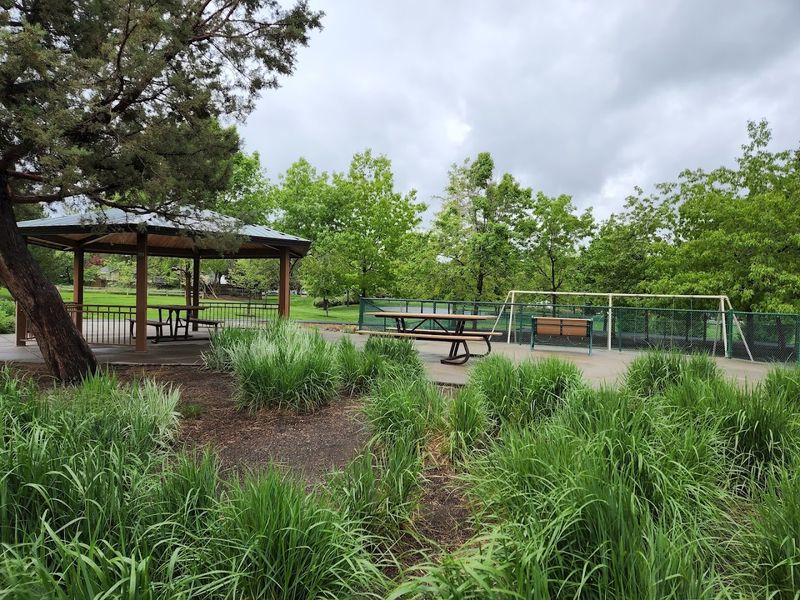
This garden did not appear by magic. Local community members and volunteers have put real effort into creating and maintaining it over the years.
That kind of grassroots care shows in every detail, from the plant selections to the placement of the feeders.
Orchard Park is managed by the Bend Parks and Recreation District, which has supported the development of this unique wildlife-friendly space. Their commitment to maintaining accessible and interesting public parks is evident throughout the entire property.
The hummingbird garden is one of the most beloved results of that ongoing effort.
Visitors who want to learn more or get involved can reach Bend Parks and Recreation at (541) 389-7275 or visit their website at bendparksandrec.org. The community pride behind this garden is palpable when you visit.
People who live nearby often stop in during their morning walks, nodding at the birds like old neighbors. That sense of shared ownership and quiet joy makes the garden feel like more than just an attraction.
Accessibility and Family-Friendly Features

One of the most thoughtful things about Orchard Park is how accessible it genuinely is. The paved paths wind through the park smoothly, making it easy to navigate with strollers, wheelchairs, or mobility aids.
The hummingbird garden area is reachable without any difficult terrain.
Families with young kids will find the whole experience naturally engaging. Children tend to go completely still when they first realize how close the hummingbirds get.
That kind of spontaneous wonder is hard to manufacture and impossible to forget. It makes for a meaningful family outing without requiring any special equipment or preparation.
Benches are scattered throughout the park, so adults can sit while children explore nearby. Picnic tables offer space for a packed lunch before or after visiting the garden.
Portable restroom facilities are available on site, keeping longer visits comfortable. The park hours run from 5 AM to 10 PM every day of the week, giving families plenty of flexible time to plan around nap schedules, school days, or whatever the week looks like.
What Else to Explore Near Orchard Park
Bend is a remarkably easy city to explore once you are already out and moving. The Deschutes River Trail is just a short drive away and offers miles of beautiful walking and biking paths along the river.
It is a natural next stop after the hummingbird garden.
The Old Mill District sits nearby and has plenty of spots for coffee, food, and casual shopping. Drake Park, right along the river, has its own charm and is especially lovely in the morning when the water is still and the light is soft.
Bend rewards slow exploration.
Mirror Pond is another nearby landmark worth a short detour. The reflections of the ponderosa pines and sky on calm mornings are genuinely stunning.
If you have more time, the High Desert Museum on the south end of town offers fascinating exhibits on Pacific Northwest wildlife and ecology. Knowing the broader natural context actually deepens the experience of watching hummingbirds up close.
The Best Time of Year to Visit
Timing your visit can make a huge difference in what you experience here. The hummingbird activity peaks during late summer, roughly from mid-July through early September.
That window is when the garden feels most alive.
Rufous hummingbirds are migrating through Central Oregon during this stretch. They stop at Orchard Park in remarkable numbers, fueling up before continuing their long journey south.
Some days the feeders are so crowded it looks like a tiny aerial traffic jam, birds chasing and diving in every direction.
Early mornings tend to bring the most action. The birds feed heavily right after sunrise, and the soft light makes the whole scene look like something from a nature documentary.
Weekday mornings are especially peaceful, with fewer visitors and more birds per person. I went on a Tuesday morning once and had an entire section of the garden almost entirely to myself.
Why This Garden Stays With You Long After You Leave
Some places are easy to forget once you are back in your regular routine. This garden is not one of them.
The memory of a hummingbird hovering inches from your face, its wings a soft blur, its tiny eyes bright and alert, stays with you in a specific and vivid way.
There is something about being that close to a wild creature that shifts your perspective a little. It is not dramatic.
It is quiet and small and completely genuine. That feeling is what keeps people coming back to Orchard Park season after season.
The garden is free to visit, open daily, and requires nothing more than showing up and paying attention. In a world full of expensive and overhyped experiences, that kind of simple magic feels almost radical.
I have recommended this spot to more people than I can count, and every single one has come back saying the same thing: they did not expect it to feel that real.
Address: Orchard Park Hummingbird Garden, 2001 NE 6th St, Bend, Oregon
Dear Reader: This page may contain affiliate links which may earn a commission if you click through and make a purchase. Our independent journalism is not influenced by any advertiser or commercial initiative unless it is clearly marked as sponsored content. As travel products change, please be sure to reconfirm all details and stay up to date with current events to ensure a safe and successful trip.
