The feeling hits before you even understand why something seems off. In the heart of Virginia, one historic house carries a reputation that unsettles even the most skeptical visitors.
Its past is layered with events that continue to spark debate, drawing in locals, ghost hunters, and history enthusiasts alike. Every detail seems to add to the tension, as if the building itself is holding onto something it refuses to release.
Whether the stories are legend or something more, the effect is hard to ignore. Once you learn what unfolded inside these walls, the question is no longer whether it is haunted, but how much of the past still lingers.
The Colonial Origins That Started It All
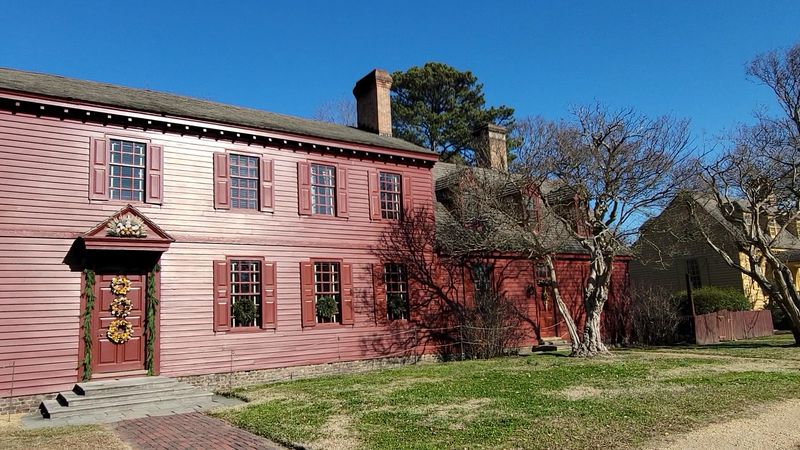
Long before ghost hunters arrived with their equipment and wide eyes, this house was simply a statement of power. Built around 1715 by William Robertson, the structure was one of the grandest private residences in colonial Virginia.
Its size alone made neighbors take notice.
Sir John Randolph purchased the property in 1724, and the Randolph family quickly transformed it into a center of political and social life. The house grew through several additions over the decades, each wing adding new rooms and, perhaps, new energy to an already charged space.
Virginia was a colony brimming with ambition during this era, and the Randolph estate sat right at the center of that ambition. Wealthy families hosted influential guests, entertained politicians, and debated the future of a nation not yet born.
The walls absorbed every whispered conversation, every celebration, and every grief-stricken moment that followed.
Understanding the house means understanding its roots. Before the hauntings, before the Civil War horrors, before the ghost tours, there was simply a family trying to build something lasting in the Virginia soil.
They succeeded, though perhaps more permanently than they ever imagined.
Peyton Randolph, The Revolutionary Leader Who Never Left
Peyton Randolph was not just a homeowner. He was the first President of the Continental Congress, a Virginia statesman of enormous influence, and a man whose legacy shaped the early bones of American independence.
His presence in this house was commanding, and some say that presence never fully departed.
After inheriting the property from his father, Peyton turned the estate into a hub of revolutionary thought. George Washington and Thomas Jefferson both dined within these walls, discussing the kind of ideas that would eventually ignite a nation.
The dining room alone carries that electric historical charge.
Peyton died in 1775, just as the Revolution he helped spark was gaining momentum. He never saw the country he worked so hard to create.
That unfinished business, many believe, is exactly why a tall colonial apparition matching his description still reportedly wanders the upper floors.
Multiple accounts describe a stern-faced figure in period clothing standing silently near doorways and windows. Whether you believe in ghosts or not, the idea of Peyton Randolph keeping a permanent watch over his beloved Virginia home carries a certain poetic weight that is hard to dismiss.
When the House Became a Civil War Hospital
If the Revolutionary era gave this house its political soul, the Civil War gave it its darkest chapter. During the conflict, the Peyton Randolph House was converted into a field hospital for wounded Union soldiers, and the suffering that unfolded inside these rooms was immense.
Soldiers arrived in desperate condition. Surgeries were performed without modern anesthesia, amputations happened quickly, and many men drew their last breaths on the very floors that had once hosted colonial dinner parties.
The contrast between those two realities is almost impossible to process.
Paranormal researchers consistently point to trauma as a key ingredient in hauntings, and few locations in Virginia carry that kind of concentrated grief. The sheer volume of pain, fear, and loss packed into this structure during the war years created what many describe as a permanently altered atmosphere inside the building.
Cold spots cluster near areas believed to have served as surgical spaces. Unexplained sounds, like soft moaning or shuffling footsteps, are reported most frequently in those same zones.
The Civil War chapter of this house does not just live in history books. According to countless firsthand accounts, it lives in the walls themselves.
Lafayette’s Unforgettable Night Alone in the House
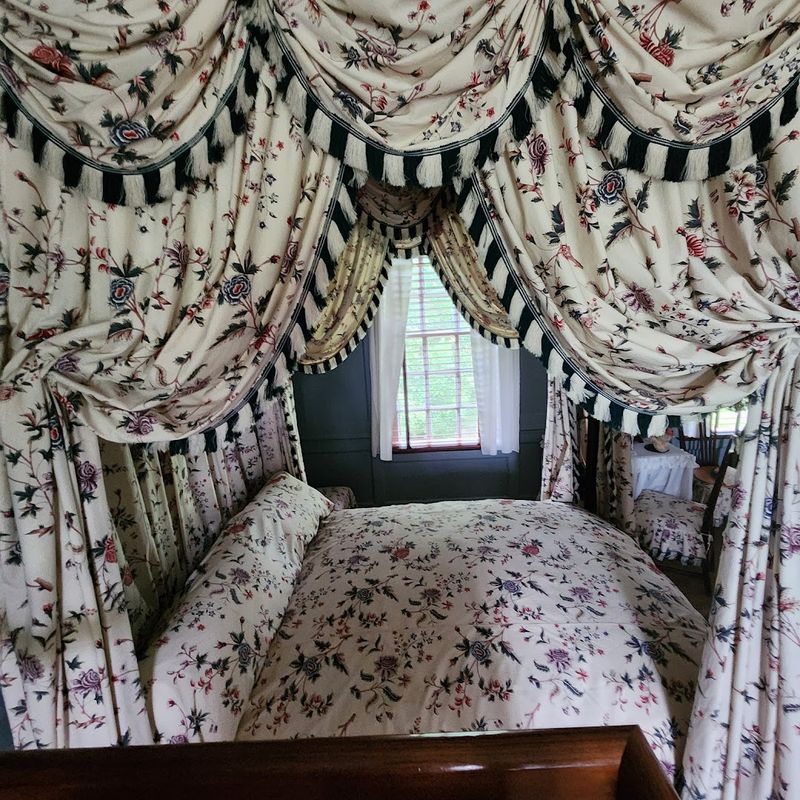
Not every spine-tingling story from this house comes from anonymous accounts. One of the most famous paranormal encounters here involves none other than French General Marquis de Lafayette, a celebrated hero of the American Revolution and a man not easily rattled.
During his visit to Williamsburg in 1824, Lafayette stayed overnight at the Peyton Randolph House as part of his grand farewell tour of America. What happened during that night reportedly shook even his considerable composure.
He described feeling an unseen hand press firmly against his shoulder while lying in bed, followed by disembodied voices drifting through the darkened room.
Lafayette was a seasoned military commander who had faced cannon fire and cavalry charges without flinching. The fact that he openly spoke about this experience afterward gives the account a credibility that most ghost stories simply lack.
A man of his stature had no reason to fabricate such a tale.
Virginia has no shortage of haunted history, but a verified account from a general of Lafayette’s fame is genuinely rare. His story remains one of the most frequently cited pieces of evidence by those who argue this house deserves its fearsome reputation as the commonwealth’s most paranormally active address.
The Apparitions That Keep Showing Up in Photos
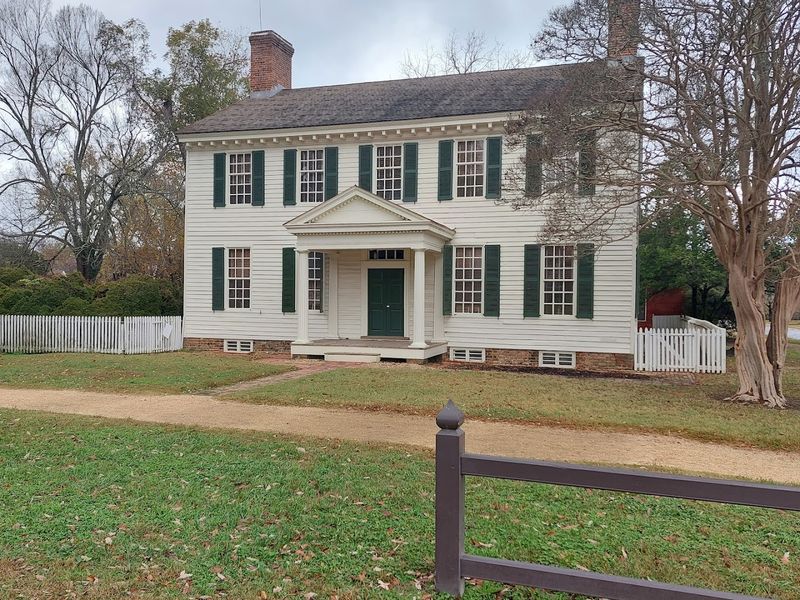
Modern ghost hunting has a new favorite tool: the smartphone camera. At the Peyton Randolph House, that tool has produced some genuinely puzzling results that keep circulating online and sparking heated debates among skeptics and believers alike.
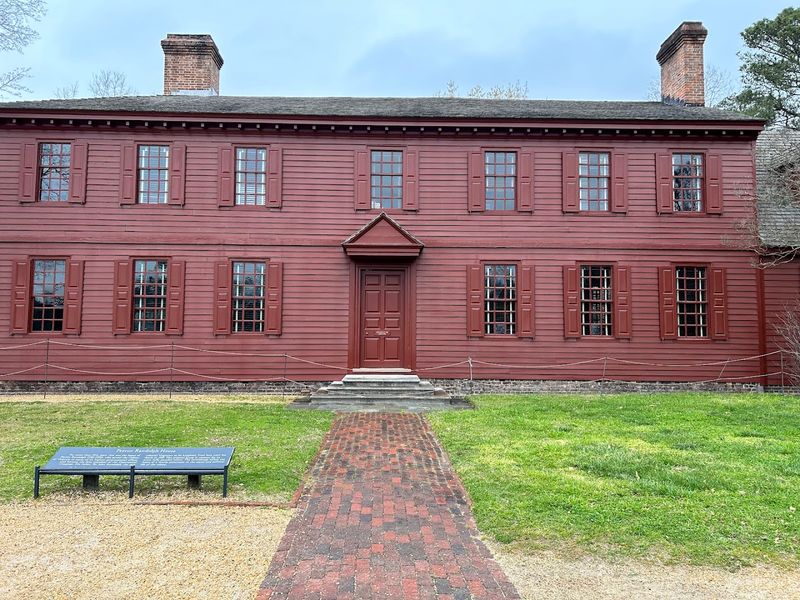
Numerous people who have photographed the house, both during guided tours and during late-night visits, have reported capturing unexplained figures in the windows. One frequently shared image shows what appears to be a shadowy human shape standing in the lower-left window of the main facade.
The photographer only noticed the figure after zooming in at home.
What makes these accounts compelling is the consistency. Different people, using different cameras, at different times of year, keep capturing similar anomalies in similar locations around the building.
That pattern is difficult to explain away with simple lens flares or reflections.
The house sits within Colonial Williamsburg, a well-lit and heavily visited historic district in Virginia. Capturing something genuinely unexplained in such a public, well-documented space carries extra weight.
Ghost enthusiasts travel specifically hoping to photograph this house at midnight, and a surprising number of them come home with something they cannot quite explain and absolutely cannot stop talking about.
Cold Spots, Unseen Hands, and Physical Sensations
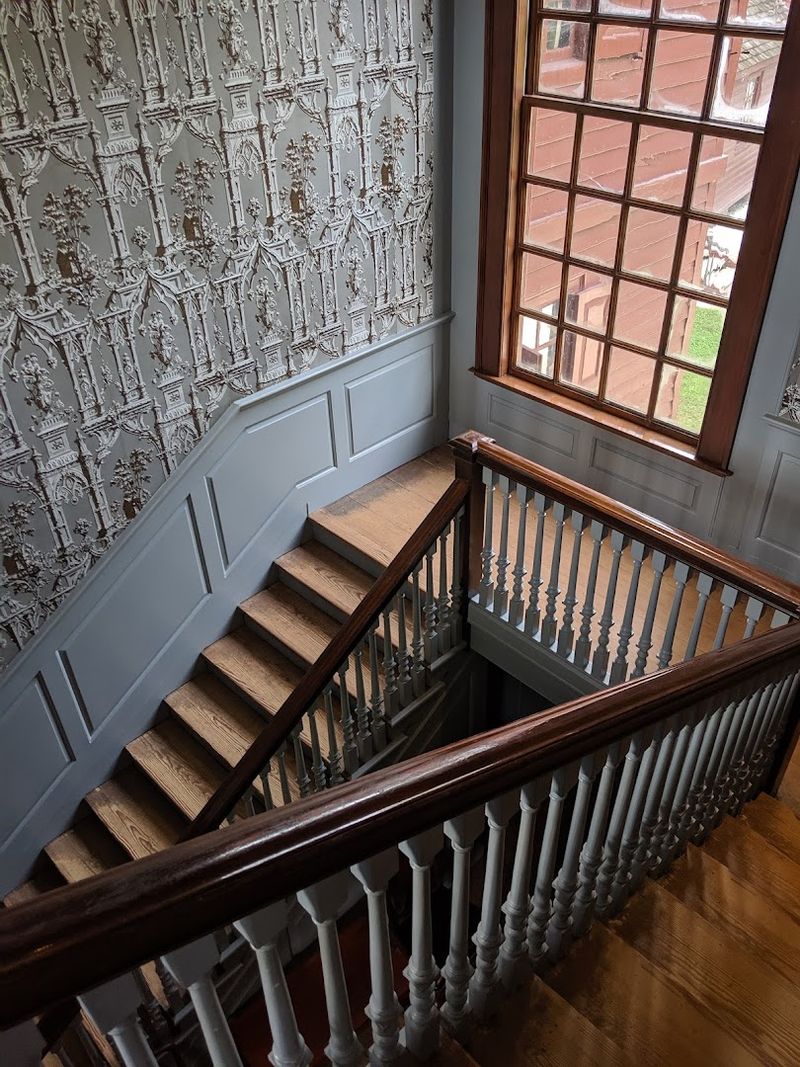
Walking through the Peyton Randolph House is not a passive experience. Many people enter expecting a standard history lesson and exit with something they cannot explain rattling around in their heads for days afterward.
The physical sensations reported here go well beyond creaky floorboards and drafty windows.
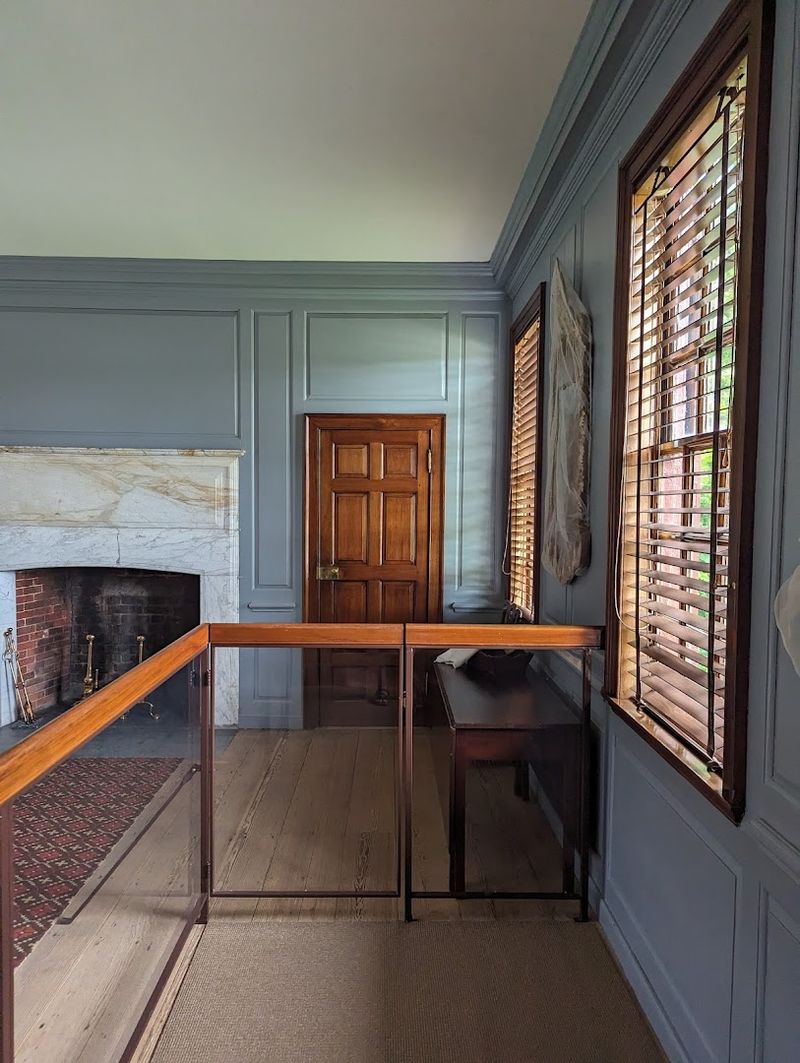
Cold spots appear suddenly in rooms that have no logical source of temperature drop. Visitors describe the sensation of invisible fingers brushing against their arms or shoulders, particularly in the upper-floor rooms and near the staircase.
Some have felt sudden waves of nausea or dizziness upon crossing certain thresholds inside the house.
A handful of people have reportedly fainted or felt compelled to leave the building abruptly, overwhelmed by an atmosphere they could not articulate but absolutely could not tolerate. These are not isolated incidents.
They form a consistent pattern that has repeated itself across years of documented visits.
Paranormal investigators who have spent nights inside the Peyton Randolph House describe the energy as layered and intense, unlike most locations they study. Virginia has many historic homes, but few produce this volume of physical, measurable responses from the people who enter them.
The body, it seems, often picks up on things the rational mind refuses to accept.
The Ghost Tours That Made This House Famous Worldwide
Ghost tours in Williamsburg are a serious industry, and the Peyton Randolph House sits at the absolute center of that world. Every major paranormal tour in town makes a stop here, and one particularly popular offering actually takes participants inside the building after dark, which is an experience most haunted houses simply cannot offer.
The tours weave together verified historical facts with documented paranormal accounts, giving participants a rich context for what they are experiencing. Guides share the Lafayette story, the Civil War hospital history, and the recurring apparition sightings in a way that builds genuine tension without resorting to cheap theatrics.
My own nighttime visit to the house left me standing very still in the front parlor, acutely aware of a heaviness in the air that I could not attribute to the architecture or the dim lighting. Something about that space simply feels occupied, even when you are technically alone in the room.
Virginia tourism has embraced this house as a crown jewel of paranormal heritage, and rightfully so. The combination of documented history, credible witnesses, and the raw atmospheric power of the building itself creates a ghost tour experience that consistently ranks among the best in the entire country.
Booking in advance is strongly recommended.
The Enslaved People Whose Stories Echo Through the Walls
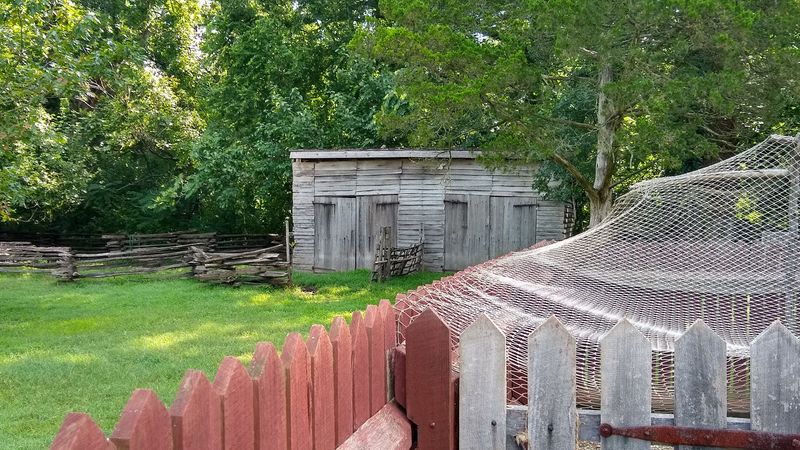
Any honest account of the Peyton Randolph House must reckon with a chapter that goes far beyond ghost stories. The Randolph family enslaved dozens of people, and the lives of those individuals are now a central part of how Colonial Williamsburg interprets and presents this property to the public.
The estate’s records are remarkably detailed, listing the names, ages, and roles of enslaved workers who maintained the household, tended the gardens, cooked the meals, and built much of the physical structure that still stands today. Living historians now portray some of these individuals, bringing their stories forward in ways that feel urgent and necessary.
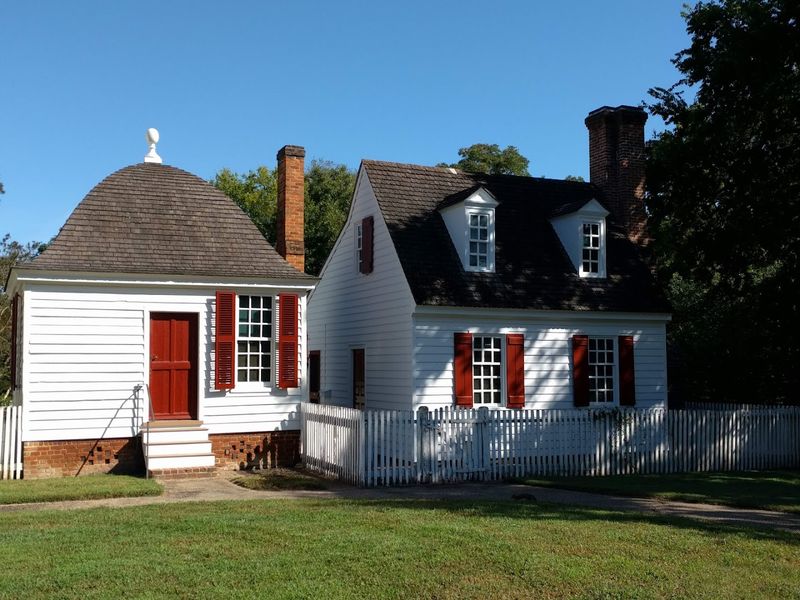
The outbuildings and servant quarters at the rear of the property are accessible to visitors, and the experience of walking through those spaces creates a powerful counterpoint to the grandeur of the main house. The contrast between the two worlds that existed simultaneously on this single property is genuinely affecting.
Some paranormal researchers suggest that the intense spiritual energy of the house may be connected not only to the Randolph family and Civil War soldiers but also to the trauma experienced by enslaved people on the grounds. Their presence shaped every corner of this place, and their stories deserve to be heard as loudly as any ghost tale ever told here.
What Daytime Tours Reveal About the Architecture and Interiors
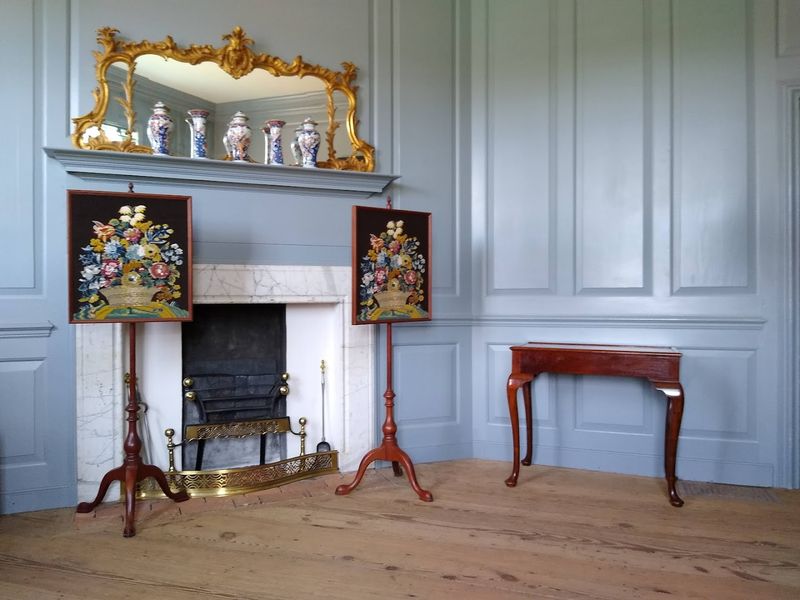
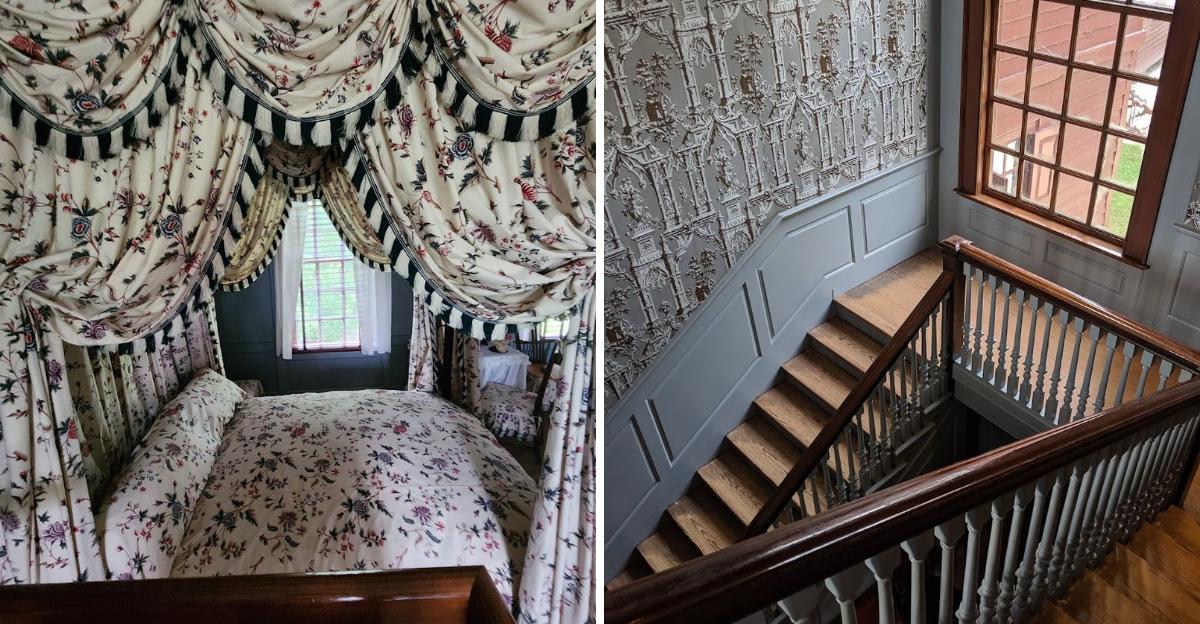
Hauntings aside, the Peyton Randolph House is a genuinely spectacular example of colonial American architecture. Daytime tours offered through Colonial Williamsburg give visitors a thorough look at interiors that have been meticulously restored and preserved to reflect life in the 18th century.
The dining room is a particular highlight. This is where George Washington and Thomas Jefferson reportedly sat together, sharing meals and conversation that would ripple through history.
Standing in that room, surrounded by period-accurate furniture and candlesticks, makes the past feel startlingly close.
The house grew through multiple additions over the decades, and that evolution is visible in the architecture itself. Different rooms reflect different eras, different tastes, and different levels of the Randolph family’s expanding wealth and influence.
Knowledgeable guides connect all of those threads into a coherent and fascinating narrative.
My strong recommendation is to do the daytime history tour first, then return for the evening ghost experience. Understanding the full context of what happened in each room makes the nighttime visit exponentially more impactful.
Virginia has no shortage of colonial landmarks, but few offer this layered combination of architectural beauty, political history, and paranormal intrigue all wrapped up in a single address at 100 W Nicholson St, Williamsburg, VA 23185.
Plan Your Visit and Prepare for Something Unexpected
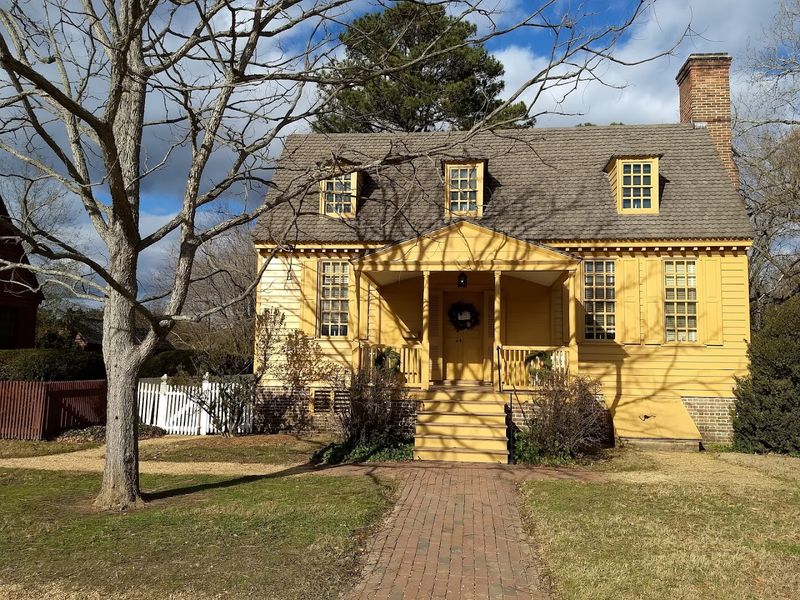
Planning a trip to the Peyton Randolph House requires a little strategy to get the most out of the experience. The property is part of Colonial Williamsburg, so a day pass covers access to most of the historic buildings on the grounds, including this one.
Arriving early gives you time to explore the broader district before your tour slot.
Tours run at staggered intervals throughout the day, and wait times are typically short. The interior is air-conditioned, which is genuinely welcome during Virginia summers when the humidity outside can be relentless.
Ghost tours that include interior access operate separately and should be reserved well in advance, especially during peak seasons and around Halloween.
The house sits at 100 W Nicholson St in Williamsburg, Virginia, making it easy to locate within the historic district. Parking is available nearby, and the surrounding area is rich with other colonial landmarks, shops, and open green spaces that make a full-day visit completely worthwhile.
Pack your curiosity, charge your camera, and maybe leave a little room in your schedule for the unexpected. Virginia’s most famously haunted address has a way of making even the most skeptical visitors pause, look twice at a darkened window, and quietly wonder what, exactly, is still lingering inside those centuries-old walls.
Dear Reader: This page may contain affiliate links which may earn a commission if you click through and make a purchase. Our independent journalism is not influenced by any advertiser or commercial initiative unless it is clearly marked as sponsored content. As travel products change, please be sure to reconfirm all details and stay up to date with current events to ensure a safe and successful trip.
