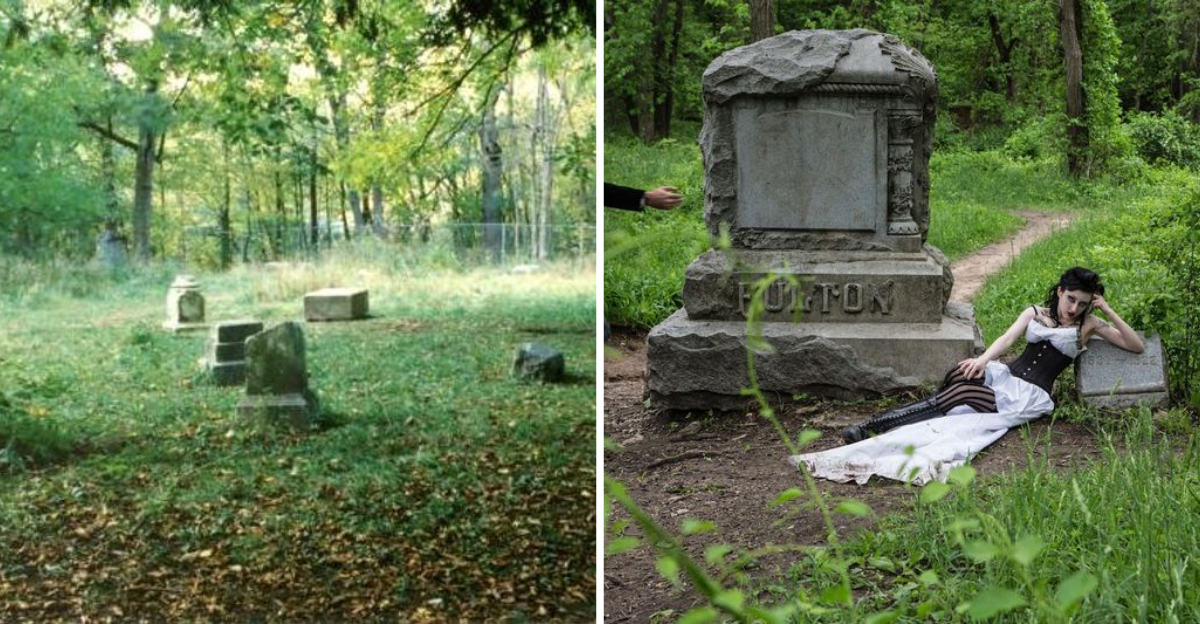
That weight you feel before you even see them. Tiny, weathered burial grounds in Illinois, hidden inside a forest preserve.
I had heard the stories long before I ever made the trip, but nothing quite prepares you for the moment the trees part and it appears before you. This is the cemetery that made international headlines when a photograph revealed a woman sitting on a tombstone, a woman nobody present had actually seen. That image became one of the most debated paranormal photographs in history.
You might believe in ghosts or not. Either way, there is something undeniably magnetic about a place that has been whispering its secrets since the eighteen thirties.
The History Behind Bachelor’s Grove Cemetery
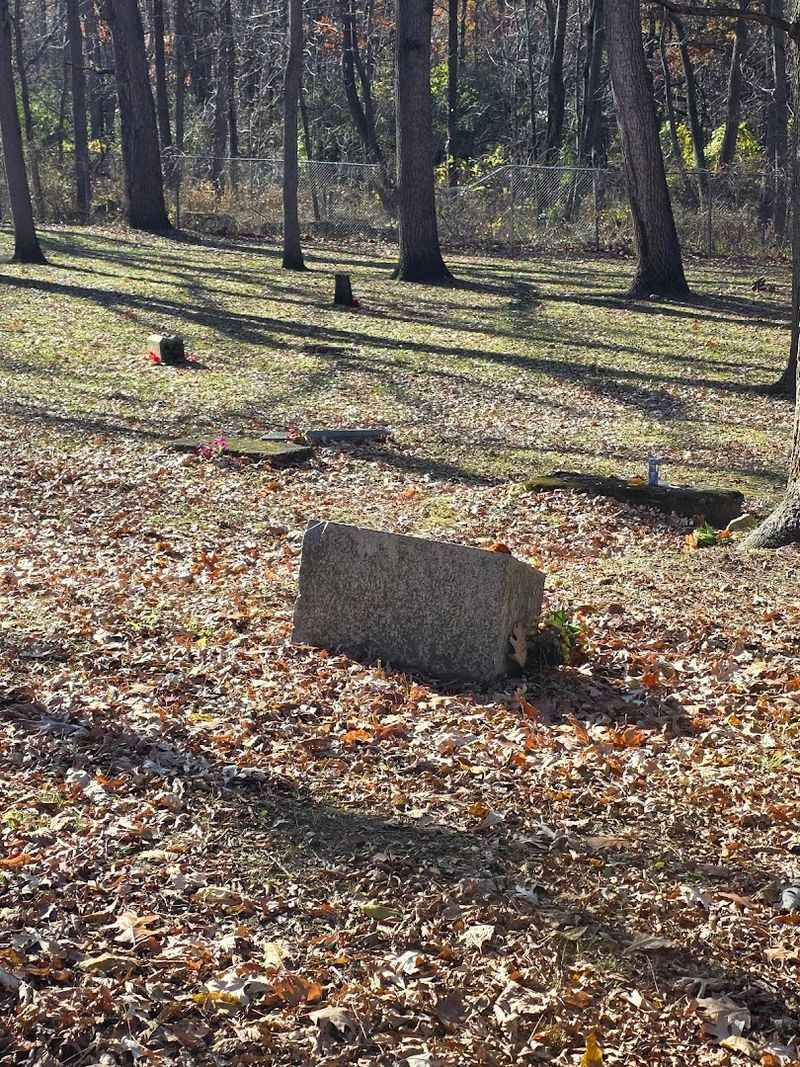
Few burial grounds in America carry as much layered history as this one. Bachelor’s Grove Cemetery began receiving its first burials sometime around 1838 or 1844, making it nearly two centuries old.
For a place so small, with only 81 documented plots, it holds an enormous amount of story.
The land around it became part of the Cook County forest preserve system by 1924. Then, when the adjacent Midlothian Turnpike closed in the 1960s, the cemetery was cut off from regular foot traffic and fell into deep isolation.
That seclusion, combined with heavy vandalism during the 1960s and 1970s, left many headstones missing or destroyed.
Cook County officially took over management of the property in 1976, but the damage had already shaped the cemetery’s eerie character. Today, the grounds are actually well-maintained, with grass cut regularly and the remaining stones cared for.
Reaching it requires a short walk west of the Rubio Woods parking area, past towering cell towers and through a quiet forest path. That walk alone sets the mood before you even arrive at the graves.
The history here is not just old, it feels unfinished.
The Famous 1991 Infrared Photograph
On August 10, 1991, members of the Ghost Research Society arrived at Bachelor’s Grove with high-speed infrared cameras and a serious purpose. They were conducting a formal paranormal investigation, methodically photographing the grounds.
Nobody in the group saw anything unusual during the session.
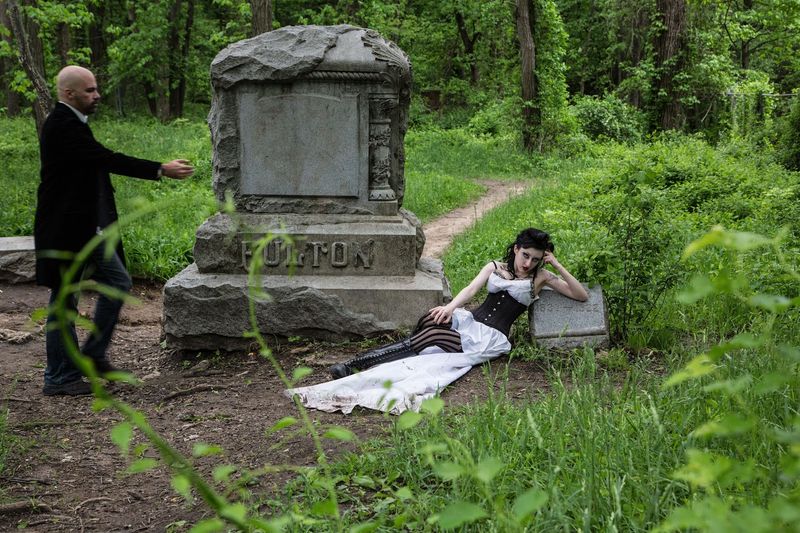
When the film was developed, one image stopped everyone cold. A young woman in white clothing appeared seated on a tombstone, partially transparent, her lower legs dissolving into the grass beneath her.
Her outfit looked dated, nothing like what anyone would have worn in 1991. She had not been there.
Nobody had seen her.
The photograph was published in the Chicago Sun-Times and the National Examiner, and the paranormal community erupted. She became known as the “Woman in White” or the “Madonna of Bachelor’s Grove,” and the image remains one of the most widely analyzed ghost photographs ever taken.
Skeptics have studied it, believers have celebrated it, and researchers keep returning to it. What makes the photo so compelling is its clarity and the lack of any obvious explanation.
I find it hard to look at that image without feeling a small, stubborn chill run through me.
The Woman in White and Other Apparitions
Long before the 1991 photograph, visitors were already reporting a female figure drifting through the cemetery after dark. Accounts of a “White Lady” date back to at least 1979, with some descriptions mentioning a woman in a flowing white dress, occasionally cradling a baby.
Others described her as monk-like, a robed shape moving silently between the stones.
After the famous photograph was published, sightings seemed to intensify. People began visiting specifically hoping to catch a glimpse of the shadowy or glowing figure they had read about.
Some described her as luminous. Others said she appeared only as a shadow that moved against the logic of the light.
What is interesting about the White Lady legend is how consistent the core details have stayed across decades of independent reports. Different people, different years, different times of night, yet the same general impression of a solitary woman wandering the grounds.
Whether those accounts reflect a genuine phenomenon or the power of suggestion is a question nobody has definitively answered. The cemetery holds more than 100 documented paranormal encounters, and the Woman in White remains the most recognized figure among all of them.
She has become inseparable from the place itself.
The Phantom House and Vanishing Landmarks
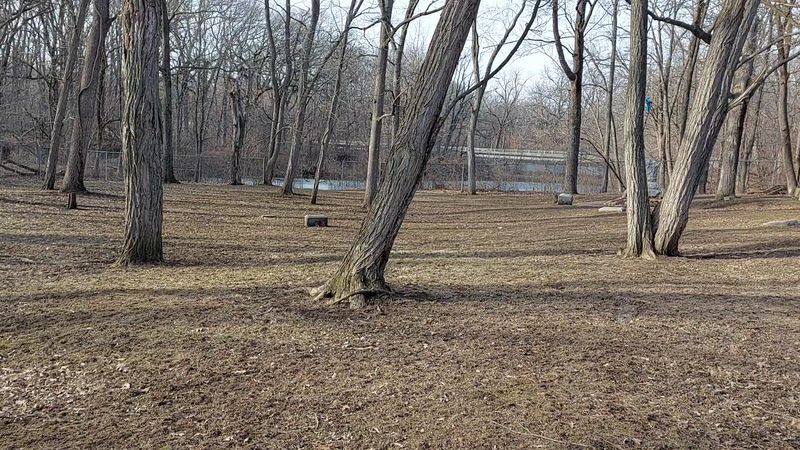
One of the strangest recurring reports from Bachelor’s Grove has nothing to do with a person at all. Visitors have described seeing a full house appear near the cemetery, a two-story structure with glowing windows, only to watch it slowly fade and disappear.
This phenomenon has been called the “Disappearing House” or the “Phantom House,” and accounts of it stretch back decades.
One visitor account describes seeing a yellowish-orange light in the upper window, glowing more vividly than the rest of the transparent structure around it. The house looked real enough to approach, yet it never stayed solid long enough to reach.
That kind of layered strangeness, a ghost building rather than a ghost person, makes Bachelor’s Grove feel like a different category of haunted place entirely.
Beyond the house, people have reported phantom cars driving through the area and vanishing mid-road, unexplained cold spots that appear and disappear without connection to weather, and mysterious orbs captured in photographs. The variety of reported phenomena here is genuinely unusual.
Most haunted locations tend to specialize in one type of encounter. Bachelor’s Grove seems to offer an entire catalog, which is part of why paranormal researchers keep returning year after year with new equipment and fresh curiosity.
What It Actually Feels Like to Visit
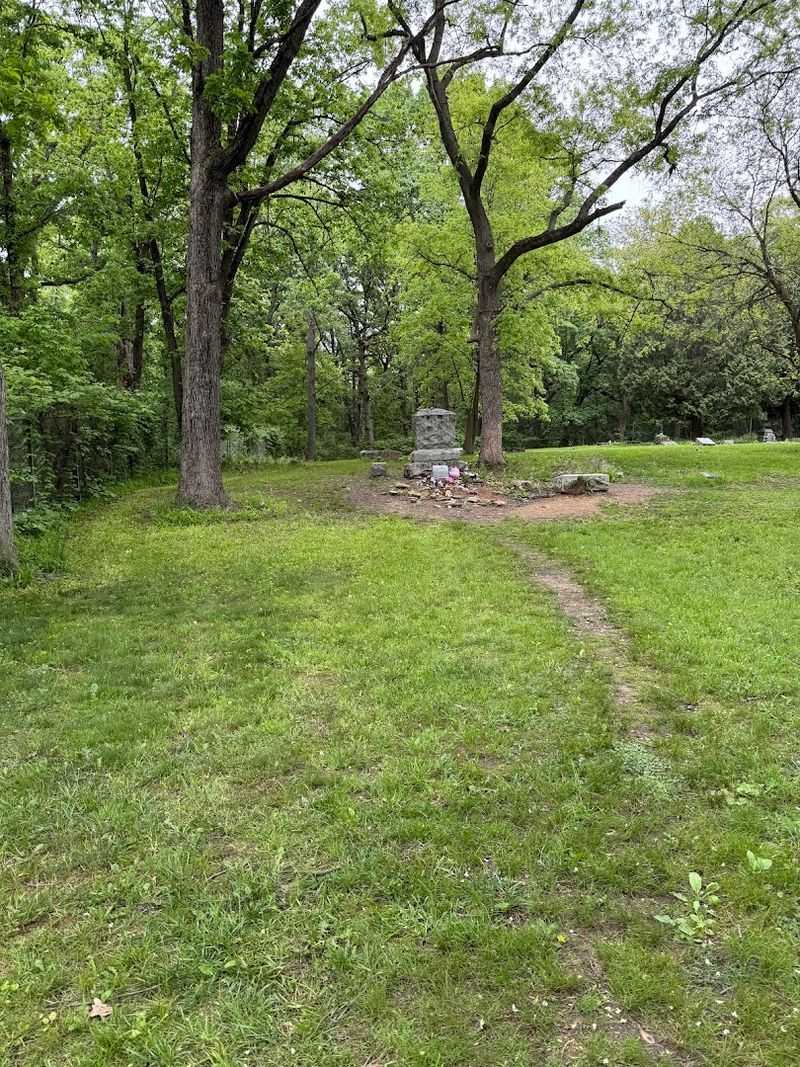
Arriving at Bachelor’s Grove during the day is genuinely surprising for first-time visitors. The path from the Rubio Woods parking area is peaceful, shaded by mature trees, and the cemetery itself is compact and carefully maintained.
The grass is cut, the remaining stones are upright, and birds are usually audible somewhere nearby.
The space is small enough that you can take it all in within a few minutes. There are no dramatic iron gates or towering monuments.
It feels quiet in a way that is hard to describe, not eerie exactly, but heavy with something unspoken. A few visitors have mentioned leaving with a hum or a ringing in one ear, though most report nothing beyond a strong sense of atmosphere.
The majority of people who visit during daylight hours describe the experience as peaceful rather than frightening. The forest surrounding the cemetery adds a natural beauty that softens the darker reputation.
Night visits are a different matter entirely, and it is worth knowing that the preserve closes at 8 PM, with tickets issued by local police after hours. Going during the day gives you the history without the legal complications, and honestly, the place earns its reputation even in full sunlight.
Respectful Visiting and Preserving the Cemetery
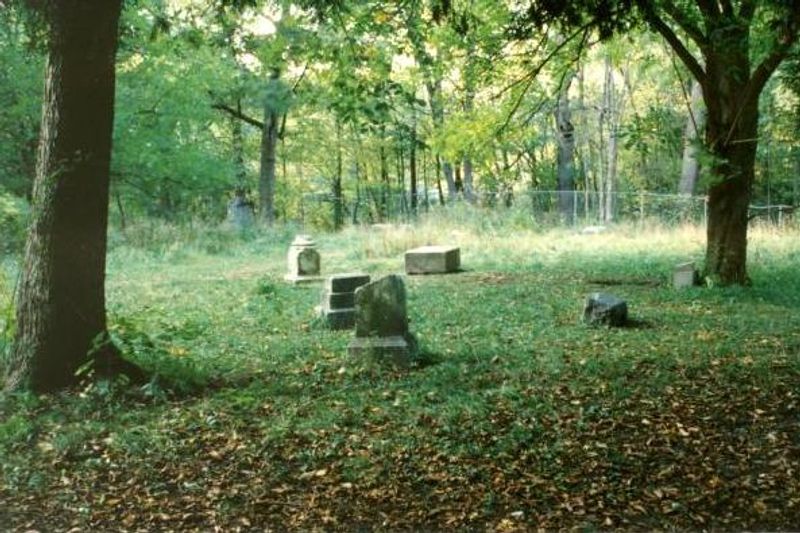
The vandalism that gutted this cemetery during the 1960s and 1970s is a real wound in its history. Headstones were stolen, graves were disturbed, and the damage was severe enough that many burial plots can no longer be properly identified.
That context matters when you show up with a camera and a curiosity about ghosts.
Some visitors have noted feeling genuinely sad seeing how the space is treated by certain tour groups or thrill-seekers who seem more interested in capturing something dramatic than in acknowledging that real people are buried here. The families represented by these stones were ordinary settlers, early Illinois residents who deserved better than what happened to their resting place.
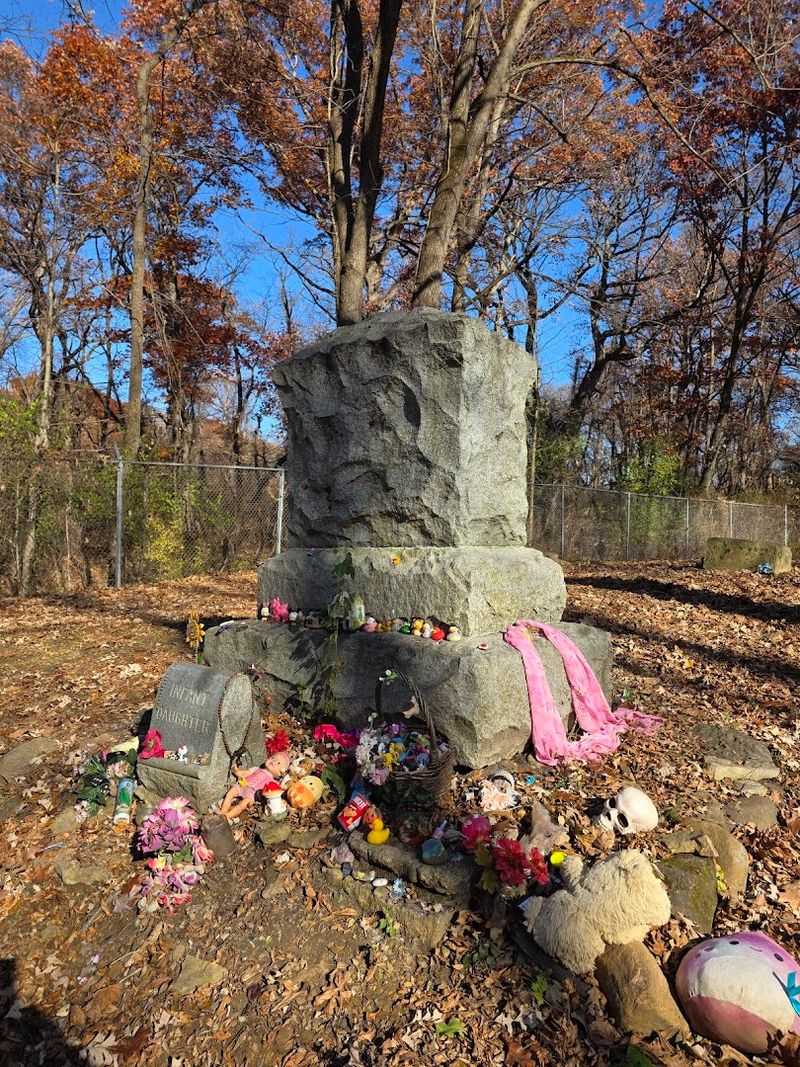
The most memorable visitors seem to be the ones who arrive with genuine respect, announcing themselves quietly, moving carefully, and leaving the stones undisturbed. One visitor described rolling a handmade die on the famous tombstone associated with the Madonna photograph, but only after asking permission first.
That kind of thoughtfulness changes the energy of the visit entirely. The cemetery is open daily from 6 AM to 8 PM.
Treat it the way you would want someone to treat the graves of your own family, and the experience becomes something genuinely moving rather than just a thrill.
Why Bachelor’s Grove Remains America’s Most Discussed Haunted Cemetery
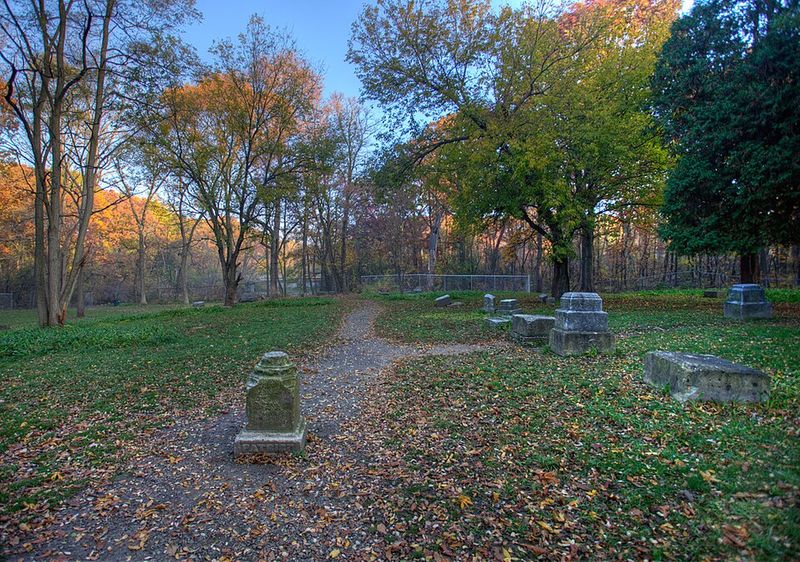
Over 100 documented paranormal encounters, a globally recognized ghost photograph, and nearly two centuries of history packed into a burial ground smaller than most suburban backyards. That combination is rare.
Most famously haunted locations lean heavily on legend and atmosphere. Bachelor’s Grove has documentation, photographs, and independent accounts spanning generations.
The Ghost Research Society’s 1991 investigation gave the cemetery a kind of scientific credibility that ghost stories rarely earn. Infrared film, controlled conditions, and an image that has never been conclusively debunked, these details matter to people who take the subject seriously.
Even those who remain skeptical tend to acknowledge that something about this place produces unusual experiences in an unusual number of visitors.
Part of the enduring fascination is geographic. Nestled inside the Rubio Woods Forest Preserve, surrounded by everyday Chicago suburbs, Bachelor’s Grove feels like a pocket of the past that refused to modernize.
The world built up around it, and it stayed exactly as it was. Researchers, photographers, history enthusiasts, and the genuinely curious all find something worth the trip here.
It has a 4.4-star rating on Google Maps, which is a strange thing to say about a haunted cemetery, but somehow it fits.
Address: 5900 W Midlothian Turnpike, Midlothian, Illinois
Dear Reader: This page may contain affiliate links which may earn a commission if you click through and make a purchase. Our independent journalism is not influenced by any advertiser or commercial initiative unless it is clearly marked as sponsored content. As travel products change, please be sure to reconfirm all details and stay up to date with current events to ensure a safe and successful trip.
